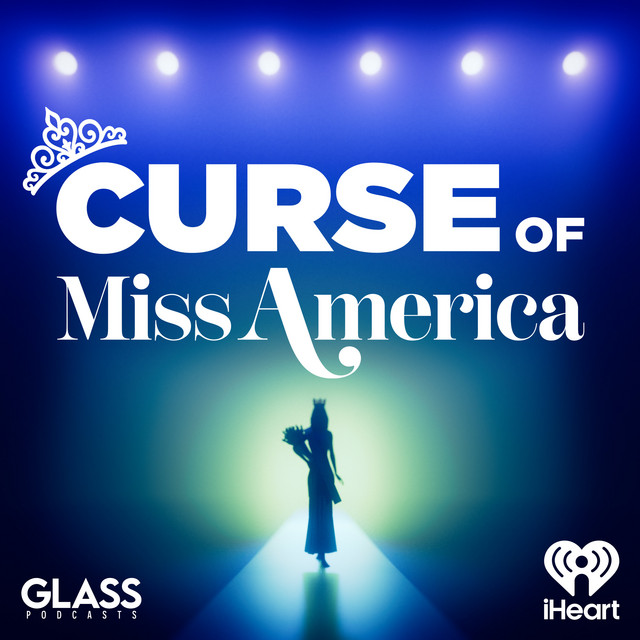
Talking about Miss America’s drama is about to come back again. On Tuesday, Oct. 20, the “Curse Of: Miss America” podcast will drop on iHeart and Apple Podcasts. Once again, the same history will be rehashed.
Timeline
1921: Miss America starts in Atlantic City as a tourism event.
1944: Prize changes from glamorous to scholarship – the origin of the “scholarship program” identity.
2017-2018: Previous leadership was forced out after emails revealed mocking former Miss Americas’ looks, intelligence and personal lives. Carlson and Hopper took over, with the biggest change being removing the swimsuit portion of competition. Cara Mund said she was systematically silenced during her reign, and 11 former Miss Americas called for Carson to quit.
2023: A&E’s “Secrets of Miss America” airs, with 20+ former titleholders discussing the 2018 issue and earlier issues with body image and other internal problems.
What is the podcast about?
The podcast claims to dive into the “ongoing legal battle over the pageant’s ownership, and the scandals that have been plaguing the pageant for decades.” To be honest, I don’t know how many people are actually tuning in caring about the legal battle. It seems like it’ll be another opportunity to talk about the same sexism, same racism, same fatphobia that has been uncovered before in the organization.
The thing is – the pageant made these choices when they happened. They chose to hire people who are racist, sexist, homophobic, and fatphobic. They chose to allow racism to occur. They chose to allow sexism to occur. They chose to allow homophobia and fatphobia to occur, especially in 2018 when the #MeToo Movement was very relevant. The Miss America organization, much like any pageant, is going to have these level of judgments because that’s what it is at its core: a place for judging women and giving them scholarship money based on how well they compete.
At the same time, it’s also your choice to compete. If you choose to compete in a pageant, you are going to be judged. It can be a good thing, or it can be a bad thing. You can have good experiences or you can have bad experiences. You might even have both. So while Miss America dropped the ball a lot of the time, it still didn’t make every contestant miserable.
In case you forgot what happened
The history of issues starts with racial exclusion until 1950. The pageant long required contestants to be white (known as “Rule Seven”). This was not abolished until 1950; the first Black winner did not appear until 1984 with Vanessa Williams – and the Miss America Organization was waiting to see her crash and burn. After Penthouse published unauthorized nude photos of Williams, pageant officials gave Williams 72 hours to resign, citing damage to the “wholesome” image of the pageant. Mind you, nothing is wholesome about a pageant with a whole rule excluding skin color. They also should have done more to actually protect her image and run good PR.
Issues date back to the 1930s and 40s with Bette Cooper “disappearing” in 1937. The-17 year-old winner was overwhelmed by the sudden obligations. In 1945, Bess Myerson was the only Jewish Miss America, who faced antisemitism and was barred from venues and events due to her religion. Four years later, Jacque Mercer marries during her reign. Miss America married her high-school sweetheart during her reigning year. They allowed her to keep her crown but later instilled a “no marriage/no pregnancy” policy.
In 1968, there was a feminist protest in Atlantic City, the birthplace of Miss America. Several hundred women protested on the Boardwalk and burned “instruments of feminine torture” (bras, girdles, cosmetics, magazines).
In 2017 and 2018, there was the infamous email scandal leaked by HuffPost that showed then-CEO Sam Haskell and others using very foul language to talk about former winners and then-Miss America Cara Mund. Dozens of former Miss Americas called for his resignation, to which he stepped down. After the email scandal, former Miss America 1989 Gretchen Carlson became board chair and led a rebrand (Miss America 2.0). The organization eliminated the longstanding swimsuit competition and de-emphasized judging on physical appearance.
They might touch on that, which a lot of us have at this point lived through and heard rehashed in 2023.
What else?
According to PEOPLE, the podcast will also touch on an ongoing ownership fight between Robin Fleming who bought the assets in late 2022 and runs the organization through Florida’s LLCs as a sole owner. Palm Beach developer Glenn Straub (a “self-proclaimed billionaire”) claimed he’s the true owner, triggering lawsuits, a short bankruptcy, and accusations of fraud on both sides. A federal judge ruled in March 2026 that Straub and his attorney fabricated key documents, dismissed his claims, and ordered sanctions. The case remains the podcast’s main contemporary hook as the organization tries to move forward under Fleming.
The penultimate questions
The questions the podcast circles are why women keep competing at all, and what the pageant is actually for. Fame as a primary reward has largely evaporated, so the remaining draw appears to be what participants can still extract: scholarships, skills, a network, and a temporary platform. The material offers answers to that, but it also raises a sharper one about the show itself. Does Curse of: Miss America center the women and what they get out of the system, or does it mostly center the institutional wreckage around them?
Leave a Reply