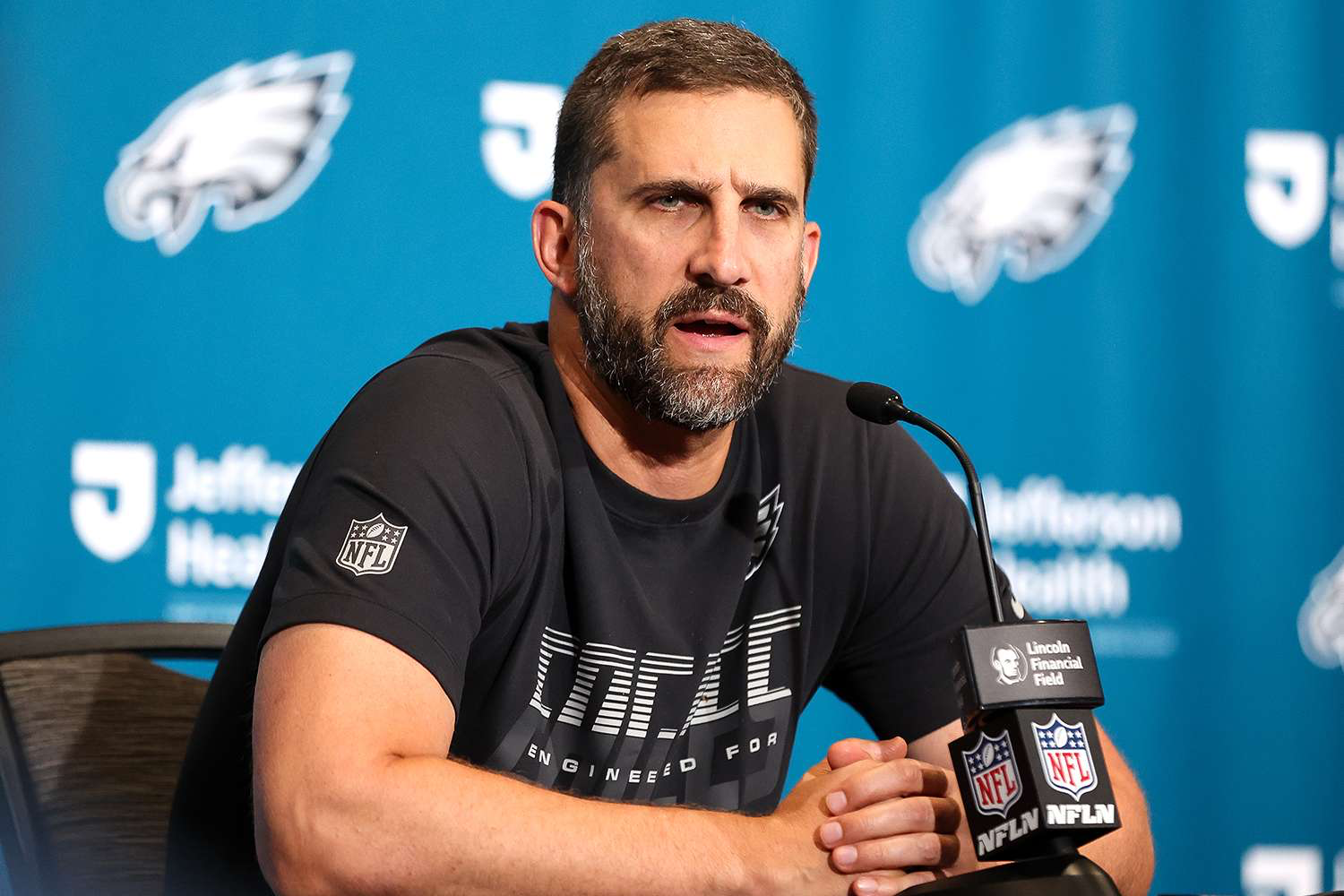
If you’ve listened to sports radio for more than ten minutes during a losing streak, you’ve heard it: “He’s lost the locker room.”
It’s one of those phrases everybody uses and almost nobody defines. So, let’s actually break it down: what it means, what the psychology says, and how much of it fans can really see from the outside.
In plain terms, “losing the locker room” means the players have stopped buying what the coach is selling. That could be the game plan, the standards he sets or the coach himself. The players still show up. They just don’t believe in the direction anymore.
The psychology underneath it
Sport psychologists have a name for the thing that gets lost: task cohesion. It’s how much a team shares commitment to the same goals and the same plan for getting there.
That’s different from social cohesion, which is whether teammates actually like each other. And this is the part that trips people up. A team can hang out together, post each other on Instagram and have a great group chat, and still not buy in to what’s happening on Sunday. Friendly isn’t the same as aligned.
Does it actually affect winning?
The research says it’s connected. A 2002 study in the Journal of Sports Sciences by Albert Carron, Steven Bray and Mark Eys looked at 18 elite university basketball teams and nine club soccer teams. Task cohesion had a strong relationship with winning percentage, with correlations between 0.55 and 0.67. For context, that’s a big number in this kind of research.
Mind you, there are two big caveats. These were college basketball and club soccer teams, not NFL rosters. And it’s a correlation, which means it runs both ways. Buying in can help a team win, but winning also makes it a lot easier to buy in. Nobody questions the plan at 8-1.
What fans can actually see
Here’s the honest truth: almost none of us are in that locker room. What we get are signals, and they’re worth taking seriously as signals, not proof.
- On-the-record criticism. When players publicly question the coach or the scheme by name, that’s real information.
- Players-only meetings. These can mean players are taking ownership, or that they don’t think the coach can fix it. Context matters.
- Anonymous leaks. A sign someone is unhappy. Not necessarily a sign the whole room is.
- Effort on tape late in blowouts. Probably the most telling thing fans can watch for themselves, and also the easiest to over-read.
What fans can’t see is what any one player privately thinks, and that’s where a lot of the hot takes go off the rails.
“Lost the locker room” is often a story we tell after the losses pile up. We see the scoreboard, then work backward to a culture problem. Sometimes that’s right. Sometimes the team is just banged up, short on talent or stuck on the wrong side of a few close games.
It’s okay to admit it, I’ve said it on a bad Sunday too. But before we declare a culture broken, I implore everybody to ask one question: is this a bad team, or a team that stopped believing? Those need very different fixes, and only one of them is about the coach.
There’s no sense in diagnosing a locker room we’ve never been inside.


Leave a Reply