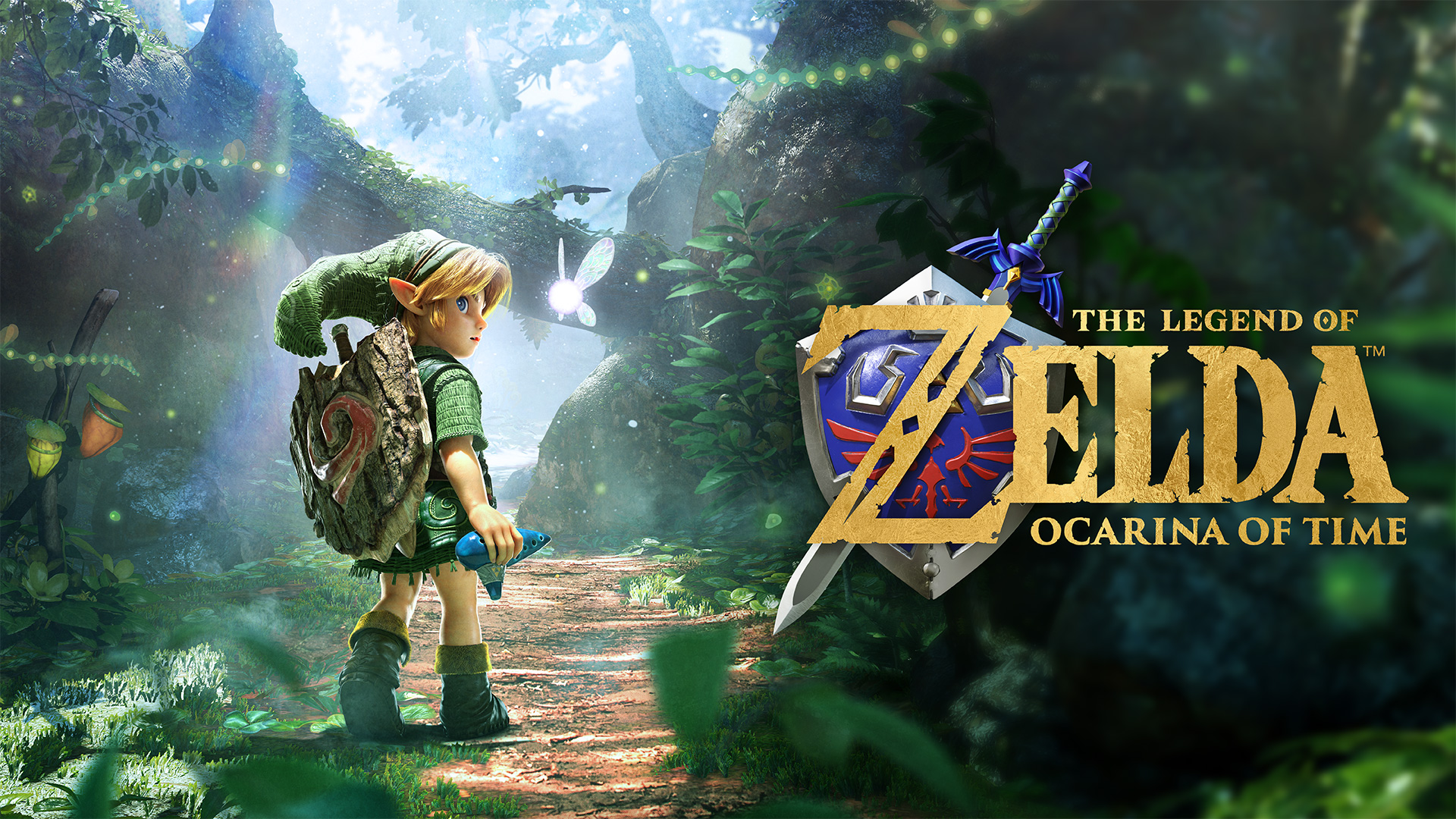
A few days ago I brought up the nostalgia of video gaming and the psychology of how it can make you feel better to play those kinds of puzzle games. Well, being totally honest with you, that was inspired by real life events.
I have had a few weeks of being in a funk, maybe the changing of the seasons and how summer just did not want to say goodbye. There’s a chance I could’ve just been in a mood and needed something to shake up my usual routine.
On a whim (as most of my purchases happen), I bought “The Legend of Zelda: Ocarina of Time.” Mind you, I have no prior Zelda knowledge. I saw enough people on Twitter enjoying the game, playing different songs on the Ocarina, so I figured I’d give it a go. I’m the type of gamer who enjoys cozy adventures like “Animal Crossing,” “Stardew Valley” and “Dreamlight Valley.” So this is genuinely my first time playing a real adventure game.
That being said, this game does not hold your hand. In a way I really like that because I get that kind of freedom in my cozy games. Having no prior knowledge or really any genuine experience in this sort of game, I really had to figure things out. Some easier than others, but when you’re able to just be like “Oh, that’s how that works!” it’s an incredible feeling.
Not to mention it’s also a game you can genuinely just vibe in. Imagine thinking you need to go from Goron City all the way to the Sacred Grove all the way back to Goron City right away. You don’t. You can stop and fight monsters, get better at shooting at the shooting range, and even help find Mamamu Yan’s beloved dog, Richard.
If you read our breakdown of why going back to Hyrule feels so good, you already know what nostalgia does for your mood. But there’s another piece I keep thinking about.
As adults, we almost never get to be a beginner who gets better fast. Work goals take quarters. Health goals take months. A dungeon gives you a clear goal, visible progress and a win you earned in one evening. Psychologists call that the need for competence. It’s one of the three core needs in self-determination theory, along with autonomy and connection, and research on video games suggests that meeting those needs is a big part of why games feel good.
Then there’s rest. To be honest, a lot of what we call downtime is scrolling, and it rarely leaves us feeling recharged. A game you actually choose, with a beginning and an end, is a different kind of rest: active, absorbing and finite.
Leave a Reply